When considering the purchase or sale of a Rolex, a key question often arises: does keeping your Rolex in pristine condition actually increase its resale value? In the market for luxury timepieces, especially brands as iconic as Rolex, many factors come into play. This includes the difference between replacement value and resale price, the impact of scarcity driven by discontinuation, the cycles of collector demand, and how real-world transaction data from auction results and dealer sales shape the secondary market.
In this post, drawing from insights by Diamond Banc and analytical perspectives from Market Realist, we’ll unpack how watch condition grading influences resale prices in today’s Rolex secondary market.
Understanding Rolex Resale Price vs. MSRP
First, it’s critical to distinguish between Manufacturer’s Suggested Retail Price (MSRP) and actual resale value in the secondary market.
- MSRP: The price set by Rolex for a brand-new watch, typically paid at authorized dealers. Resale price: The amount buyers are willing to pay for a pre-owned Rolex on the secondary market, which fluctuates based on demand, rarity, and condition.
For example, although Rolex sets MSRP’s, these prices often don’t reflect what a buyer might pay when purchasing a discontinued or highly coveted model in excellent condition. The reality is that the secondary market often trades watches at prices above MSRP—sometimes significantly higher—especially for models with long waitlists or discontinued variants. However, not all watches enjoy this premium; condition and specific market circumstances temper returns.
The Role of Scarcity and Discontinuation in Driving Discontinued Rolex Value
One of the biggest game-changers for Rolex resale price is scarcity, often triggered by a model’s discontinuation. When Rolex stops producing a model or introduces a major update, the older version may gain collector interest and climb in value.
https://bizzmarkblog.com/what-does-rolex-supply-constraint-mean-in-plain-english/Why does this scarcity influence value? It boils down to simple economics—limited availability amid strong demand.
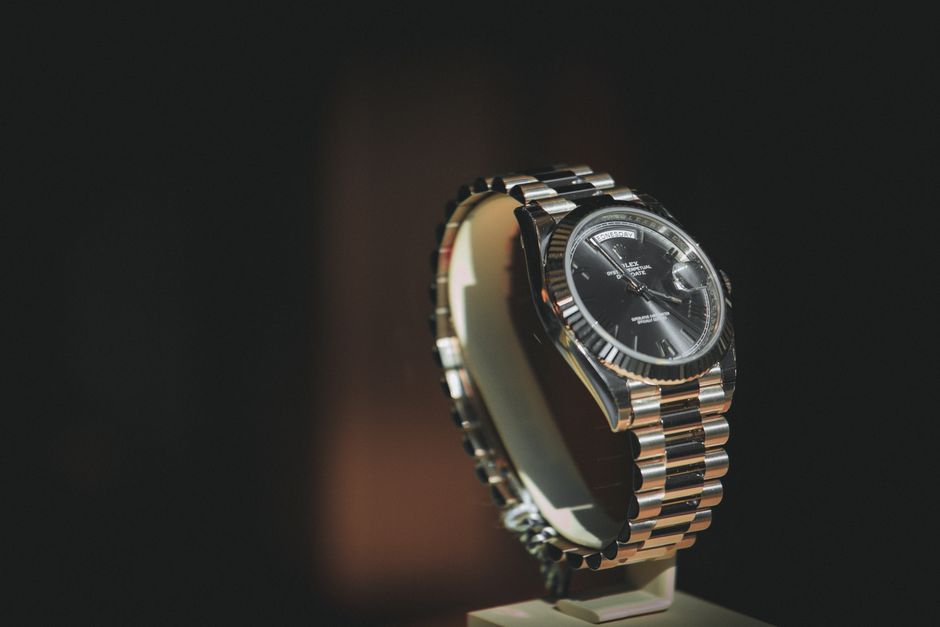

- Discontinued models become rare trophies sought after by enthusiasts. Collectors preserve these watches as investments or heirlooms, driving prices upward. New buyers look to the secondary market out of frustration with long waitlists at Rolex Authorized Dealers.
For example, reports from Market Realist highlight how select vintage and discontinued sport models, like the Daytona 116520 or older Submariner versions, steadily outpace MSRP by hundreds or thousands of dollars on resale platforms. Yet, this premium only matters if the watch is in a condition close to original or better.
Watch Condition Grading: What Counts as “Well-Kept”?
Condition grading is central when evaluating if maintaining your Rolex pays off on resale. While buyers love a “like new” or “mint” appearance, the watch condition grading spectrum covers:
Unworn/New: No or negligible wear; often still with factory stickers or packaging. Excellent: Minor surface scratches, fully functional, no replacement parts outside Rolex’s own servicing. Good: Visible scratches, possible non-original replacement parts, movement services noted. Fair/Poor: Dented or damaged cases, heavy scratches, aftermarket modifications or abuses.Ask yourself this: diamond banc, which assists in watch appraisal and purchase, stresses that authenticity and factory original parts heavily influence resale price. Buyers scrutinize whether the bracelet, bezel, dial, and movement remain genuine or have been replaced during servicing.
Question to ask: What did it actually sell for last week? Auction results and dealer transaction records are reliable tools to cross-check this and assess the true market value based on condition.
Condition’s Impact on Resale Value: Reality Check
Does being well-kept directly translate to much higher prices? The answer is yes, but within reason.
- From “good” to “excellent,” the resale premium can be significant—often thousands of dollars difference on coveted models. On rarely discontinued models with active collector interest, mint condition watches command top dollar. However, minor scratches or signs of wear don’t catastrophically reduce value—buyers expect gentle use on a vintage watch. Drastic modifications or replacement with aftermarket parts cause much steeper discounts.
Collector Demand Cycles and Their Influence on Pricing
Another crucial factor is market psychology and collector demand cycles. Rolex resale prices don’t move linearly; instead, they undulate based on:
- Hype around new releases that elevate interest in prior models Economic conditions impacting discretionary spending Shifting collector preferences from tool watches to classic dress watches or vice versa Availability of alternative luxury brands in the price segment
For instance, when Rolex introduces a highly anticipated sports watch revision, older versions may experience a short-term dip before resuming an upward trajectory. Tools like auction results databases and dealer sales records provide a window into these fluctuations, offering buyers and sellers real-time insight.
Using Auction Results and Dealer Sales for Transparent Pricing
The best way to gauge the impact of condition on Rolex resale price is through transaction comps derived from actual sales.
- Auction results: Reputable auction houses post final hammer prices publicly, showing what buyers pay for specific serial numbers, condition grades, and provenance details. Dealer sales: Platforms like Diamond Banc publish ranges and examples of recent purchases and offers, giving data points in real market conditions.
This transparency prevents baseless price claims (which are unfortunately common), and helps sellers understand the distinction between an insurance replacement value—which tends to be MSRP or above—and the realistic price they will receive in the secondary market.
Summary: Does Being Well-Kept Actually Raise Your Rolex Resale Value?
Factor Impact on Rolex Resale Price Notes Condition (Mint vs. Good) Moderate to Significant Increase Better condition commands clear premium, especially on rare models Scarcity / Discontinuation Major Positive Influence Discontinued models often sell above MSRP; condition critical Authenticity & Original Parts Strong Positive Non-original parts sharply reduce resale value Collector Demand Cycles Variable Impact Prices rise and fall depending on market sentiment MSRP vs. Secondary Market Secondary market often higher or lower Depends on demand and condition; MSRP is baseline, not resale capFinal takeaway: Maintaining your Rolex well definitely preserves and often enhances its https://dibz.me/blog/why-is-my-old-rolex-receipt-useless-for-pricing-it-now-1244 resale value, but condition alone doesn’t guarantee a windfall. Scarcity from discontinuation, collector enthusiasm, authenticity, and real transaction data play equally essential roles. For those ready to buy or sell, consulting reliable auction results and working with knowledgeable dealers—such as Diamond Banc—provides the best pathway to understanding what their watch is truly worth in today’s market.
Remember, when evaluating your Rolex, always focus on verified data and avoid mistaking an insurance appraisal for actual market price. What did that particular watch sell for last week? That question should underpin your pricing expectations and strategy.