I’ve spent the last decade reviewing deal memos and walking sites from the outskirts of Slough to the middle of Manchester. In my early twenties, I was the one fixing broken roller shutters in the rain, so I have very little patience for high-level yield projections that ignore the reality of running a facility. When I look at a site today, I’m not just looking at the square footage; I’m looking at the stack.
Think about it: the the uk self-storage sector has evolved from a “man in a hut with a padlock” business into a sophisticated asset class. As reported by FinanceWire, the sector’s resilience has attracted institutional capital, but the real winners aren't just the ones with the most units—they are the ones with the best digital infrastructure.
The Structural Drivers of Growth
Before we talk tech, let’s talk demand. Over the last decade, we’ve seen a perfect storm in the UK. Pretty simple.. Urbanisation is accelerating, and new-build housing—while necessary—is shrinking in square footage. People are living in smaller apartments with zero storage space. Meanwhile, the boom in e-commerce has turned self-storage sites into essential logistics nodes for small businesses.
According to Markets Insider (Business Insider Markets), this recurring revenue model, coupled with lower concentration risk compared to traditional retail, makes it a darling of the commercial property market. But to capture that demand, you need frictionless operations.
Key Tech Upgrades: The New Standard
If your facility is still relying on paper contracts and physical keys, you are effectively paying a "friction tax" that competitors are capturing. Here is where the smart money is going.
1. Digital Systems for Self Storage
Gone are the days of manual spreadsheets. Modern digital systems self storage operators use are fully integrated PMS (Property Management Systems) that manage everything from lead tracking to automated debt collection. If a customer is late on rent, the system should be triggering an automated SMS—not an admin assistant making 50 phone calls.
2. Online Reservations and Payments
Modern customers expect to book a unit at 10 PM on a Tuesday while sitting on their sofa. Online reservations and payments are no longer an "optional extra." If a user can’t select a unit, sign the e-contract, and set up a Direct Debit in under five minutes, they’ve already navigated to a competitor’s site.
3. Contactless Access Technology
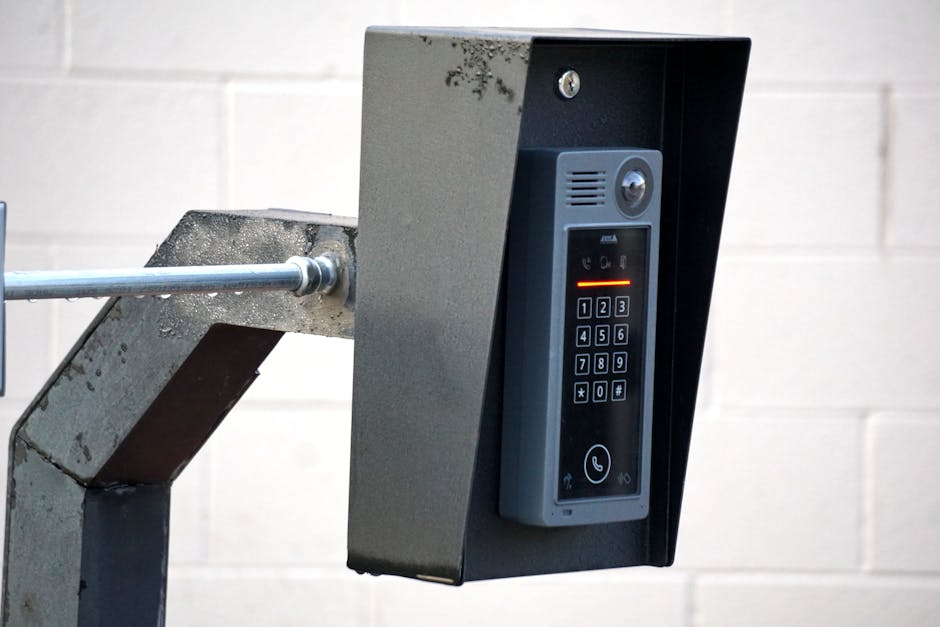
This is the single biggest operational shift I’ve seen. Contactless access technology allows customers to use a smartphone app to open gates, lift shutters, and disarm alarms. It reduces staff overhead and increases security by providing an ironclad digital audit trail of who entered the facility and when.

Operational Realities: The Hidden Costs
This is where I stop being a consultant and start being a facilities manager. Don't let the vendor sell you a “plug-and-play” solution without considering the maintenance burden. Every piece of tech introduces a new point of failure.
My "Hidden Costs" Watchlist:
- Connectivity downtime: If your site’s Wi-Fi drops, your contactless access technology is useless. Do you have a secondary 4G/5G failover? Subscription bloat: Each piece of software comes with a monthly SaaS fee. These add up faster than you think, eating into your net operating income (NOI). Integration fatigue: Does your booking engine actually talk to your access control system? If your staff is manually entering codes into two different systems, you haven't automated anything—you’ve just changed the busywork. On-site hardware durability: Electronic locks on unit doors are vulnerable to dust, vibration, and heavy-handed customers. Have you budgeted for a 20% annual replacement rate for sensors and readers?
The Shift in User Demographics
The "self-storage is for old boxes" narrative is dead. We are seeing a massive influx of SME users. Think of a local e-commerce retailer running their entire operation out of a 100sq ft unit. They need reliable internet, power points markets.businessinsider.com for charging scanners, and 24/7 access. Operators like Optima Self Store have successfully pivoted to accommodate these business users by providing the infrastructure they need to scale, effectively turning their sites into mini-fulfillment centers.
This diversification is key to reducing risk. When the housing market slows, businesses still need to store inventory. It’s a great hedge.
Competitive Landscape Table
Before you invest or sign a lease, perform a simple audit of the area. Use this table as a starting point:
Metric Legacy Facility Tech-Enabled Facility Customer Acquisition Walk-ins/Yellow Pages SEO/Paid Social/Automated Leads Onboarding Paperwork/Office Hours Self-serve App/Instant Access Staffing Full-time on-site manager Remote monitoring/On-call Security Physical key/Padlock App-based audit trailFinal Thoughts: The "Ten-Minute" Rule
Technology is a fantastic enabler, but it does not replace location. You can have the best app in the world, but if your site is an hour away from your target demographic, you will fail. People choose storage based on convenience. What is the local competition within a 10-minute drive?
That is the question I ask every time. If there are three other facilities within a 10-minute drive, what does your tech actually do to distinguish you? If it’s just making your life easier but not making the customer’s experience better, you’re missing the point. Focus on lowering the barriers to entry for the customer. Make it easier to pay, easier to enter, and easier to move in. Everything else is just noise.
The UK market is maturing. It’s moving away from the "growth at any cost" phase and into an operational efficiency phase. Watch your SaaS spend, test your tech redundancies, and always, always know who your neighbors are.